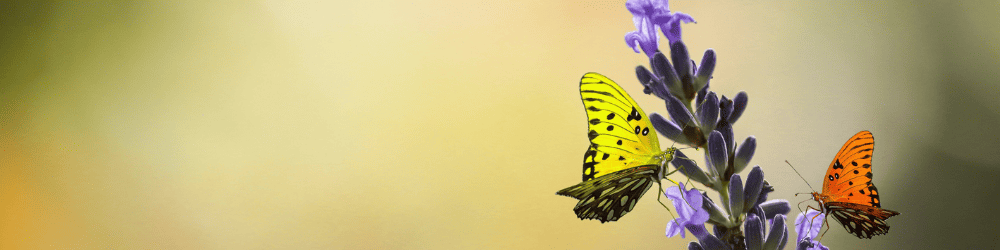
Over the years, I have often revisited Trina Paulus’s timeless novel, “Hope for the Flowers,” seeking some sense, perhaps understanding, and unveiling life’s greater purpose. The book, written as a children’s novel, tells the story of Stripe and Yellow, two caterpillars embarking on a quest for meaning beyond the climb to the top. Embarking on a transformational journey from caterpillar to butterfly offers a profound metaphor for personal growth and renewal. For me and perhaps for you too, there are some powerful reflections on life, love and the transformative power of hope.
How does one become a butterfly? she asked. You must want to fly so much that you are willing to give up being a caterpillar.
As “Hope for the Flowers” illustrates, true transformation requires a willingness to let go of our caterpillar selves to embrace the unknown. It is a process fraught with vulnerability. To become a butterfly, one must first be willing to enter the cocoon, a place of darkness and uncertainty. Yet, it is only through this surrender to change that we can emerge renewed, with wings spread wide, ready to soar to heights and reach new places.
The quest for success
Thinking about your current work situation or a relationship that you might find yourself in? The caterpillar pillar, as a metaphor, symbolises the emptiness of achievements gained at the expense of others. It serves as a reminder that true success is not measured by our position or our possessions but by the authenticity of our journey and the growth we experience along the way.
Like Stripe, many of us have been climbing a pillar, stepping on others in the quest for success or being stepped on, only to discover that the summit holds no real significance. This relentless pursuit begs the question: Is there more to life than this endless competition, job title or prized accomplishment?
Love and compassion
Amid these reflections, the love story of Yellow and Stripe unfolds as they find their path. Through the lens of love and compassion, we can see beyond the immediate to envision a life filled with purpose and connection. Love, in its many forms, anchors us, reminding us of what is truly important in life. So, in our relationships, are we hugging caterpillars or investing in the potential of butterflies?
The cycle of life
Finally, “Hope for the Flowers” brings us face to face with the cycle of life. The transformation from caterpillar to butterfly is not just a change in form but a symbol of life’s continuity, of endings, new beginnings, of birth and death.
You mean to die? asked Yellow, remembering the three who fell out of the sky. Yes and No, she answered. It looks like you die, but what’s you, will still live. Life is changed, not taken away.
This story reminds us that in the quest for success, we must not lose sight of what truly matters and who truly matters. We should focus our energy on the courage to embrace change, the value of authentic connections, and the eternal hope that from endings spring new beginnings.
For those of us standing at the crossroads, questioning the path we’ve taken, “Hope for the Flowers” offers a gentle nudge towards introspection and transformation. It invites us to let go of our caterpillar selves, embrace the vulnerability of change, and emerge with wings ready to fly. In this transformational journey from caterpillar to butterfly, we find that true fulfilment lies not in the climb but in the courage to transform, to love, and to participate in the timeless dance of life.
Without butterflies, the world will soon have few flowers. It takes a lot of butterflies to make a world full of flowers.